
The U.N. Secretary-General Ban Ki-moon has asked Hollywood for help in the fight against global climate change. He told senior Hollywood figures at a forum on global climate change that "Together we can have a blockbuster impact on the world."
The LA Times reports:
About 400 writers, directors, producers, agents and network executives attended the outreach events: a series of panels at the Hammer Museum, moderated by Larry King; a lunch for selected bigwigs; tete-a-tete meetings between high-powered industry players and top U.N. officials; and a star-studded dinner where Ban was introduced by Charlize Theron, and Mayor Antonio Villaraigosa took a turn playing the drums.
Ban Ki-moon told his audience:
"You have power and influence to send to millions and billions of people around world. To make planet Earth environmentally sustainable is a political and moral imperative."
Tuesday, 1 March 2011
Ban Ki-moon calls on Hollywood to help get across the idea of "sustainability"


Monday, 29 November 2010
How to talk about "sustainability"
 The Dutch journalist Joris Luyendijk (left) says that the way to talk about sustainability is in terms of processes in which individuals are making something sustainable.
It's so weird that sustainability is boring because the word "interest" both connotes your interests as a human being, your interest in staying alive, and your "interest" in being interested in something. So you would expect these things to converge.
But then, on this very threatening phenomenon of the destruction of our ecosphere, you can't get people interested. All sorts of things that are boring when they come out of a scientific journal, or a scandal, or a media moment, might be interesting when it is part of the hero's journey towards a desirable goal, sustainability.
Tuesday, 9 November 2010
Is a Republican town in Kansas the greenest in the world?

On May 4, 2007, Greensburg, Kansas, was destroyed by an F5 tornado. Almost every building in town was leveled. Eleven were killed, dozens injured. Yet within days, the people of Greensburg had committed to rebuild their town, and to rebuild green. Today, Greensburg is the greenest town in the USA, and maybe the world.
More.
Pic: Greensburg Community Art Center (H-t: Inhabitat)
Tuesday, 26 October 2010
Gamesa invests €150 million in offshore wind in UK
Yesterday morning, the Prime Minister, David Cameron, said, "I want us to be a world leader in offshore wind energy."
A few hours later, the Spanish company, Gamesa, announced plans to base the worldwide centre of its offshore business in the UK, investing up to €150 million through 2014.
Gamesa will also create a wind turbine blade manufacturing plant, a turbine assembly plant and associated R&D centre, port logistics and operation and maintenance services at different locations across the UK.
The British Ambassador to Spain, Giles Paxman, blogs today that this is:
a terrific vote of confidence in the UK’s future leadership in wind energy.
Sunday, 24 October 2010
This week is "Energy Saving Week"
This week is Energy Saving Week. At the Energy Saving Trust - which helps people be more energy efficient in their homes and save money on their energy bills - they are going to concentrate on one area of energy efficiency each day:
Monday 25th Launch day
Tuesday 26th Insulation
Wednesday 27th Generate your own energy
Thursday 28th Energy saving products
Friday 29th Transport
This blog will also be hearing about energy efficiency from members of the Ashden Awards team. There will be reports and photographs from both Mike's eco-refurbishment of his new home and Juliet's success in turning her Edwardian terraced house in Essex, which had "felt small, cold and dark", into a SuperHome. We'll also hear about Sarah's visit over the weekend to another SuperHome, this one belonging to John Doggart, chairman of the Sustainable Energy Academy, an Ashden Award winner in 2009.

Friday, 1 October 2010
Two visions of India

For more on India and sustainability, see the Ashden Awards's Building a sustainable energy future for India
Tuesday, 21 September 2010
Follow the coverage on Clinton's $50m for clean cookstoves
 "This could be as transformative as bednets or even vaccines."
Hillary Clinton, CGI, 21 Sept 2010.
Video.
Prospects Rise for Clean Cooking in Poor Places (New York Times)
Clinton unveils U.S. funds for clean cookstove push (Reuters)
Hillary on Fire About Clean Cookstoves (Daily Beast)
Secretary of State Clinton announces global cookstove initiative (Nature)
Hillary Clinton, cookstoves and "The Girl Effect". Watch a short film about why girls hold the key to transforming the world (Salon)
How Hillary Clinton's clean stoves will help African women (Guardian)
For more on stoves: Stoking up a cookstove revolution (Ashden Awards)
See also: Global Alliance for Clean Cookstoves and Hillary Clinton calls clean cookstoves a "cross-cutting issue"
And for some Ashden award-winning stove projects, go to: TWP/AHDESA, GERES Cambodia and Aprovecho/SSM.
Monday, 20 September 2010
Shami Chakrabarti says 'small innovations make a massive difference'
 Watch Shami Chakrabarti at the Ashden Awards 2010
I saw the great potential of taking ingenuity and compassion and putting them together. People are not just talking about problems of sustainability, they are doing something about it, and they're doing small things, things that seem so small, but like all true genius, these small innovations and inventions make a massive, massive difference to people's lives.
Shami Chakrabarti is director of Liberty.
Friday, 17 September 2010
Neil MacGregor says "more equal planet has to be more sustainable planet"

It was wonderful to see people in Vietnam, in Africa, in Central America, talking about how sustainable energy is changing their societies. If we are going to make our planet a more equal planet, then it actually also has to be a more sustainable planet.
(Neil MacGregor, director of the British Museum, presents Radio 4's A History of the World.) Click here to read the rest of this post.
Thursday, 16 September 2010
Louis Theroux says the awards are "wonderful and refreshing"
 Watch Louis Theroux at the Ashden Awards 2010
It feels almost like it's the Oscars of the green world. To have a place where instead of gloom and doom, you've got a chance to celebrate real achievements, and the great work that's being done, I think is wonderful and really refreshing.
Monday, 8 February 2010
LESS CO2 - Ashden Awards workshop for schools
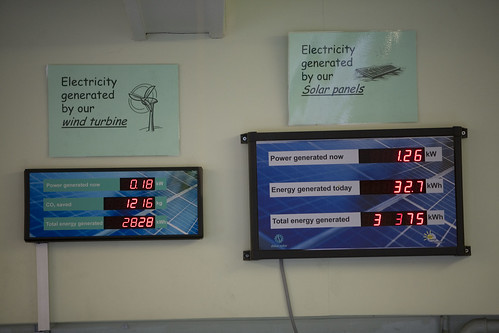
The ‘pupils’ in Owl classroom at Ashley school in Walton-on-Thames, Surrey were a bit bigger than usual on Tuesday. The year fives who usually occupy the room had given up their desks for the morning so that heads, teachers and bursars from ten schools in Surrey could attend the second of the Ashden Awards ‘LESS CO2’ workshops on becoming more sustainable.
The schools are taking part in a pilot programme of workshops where Ashden Awards staff are joined by three winners of the Ashden Schools Award to share how they made their schools more energy efficient.

Richard Dunne, head of Ashley School, Stephen Green Eco Coordinator from Ringmer Community College and Paula Owens former deputy head of Eastchurch primary all know how hard it can be to get schools and their communities on the path to energy saving – and to keep them there.
This was the second workshop and there was a real buzz in the room as school staff discussed the start they’d made on their journey to saving energy and cutting carbon. They had all carried out audits of their schools – from locating meters to assessing heating systems – and started weekly meter readings.
As well as guidance on the next steps to take, each participant received an electricity monitor which will enable them to see how much electricity they are using and monitor progress in reducing consumption over time.

Each of the Ashden award winners taking part are acting as ‘mentors’ for a group of three or four schools, available between workshops to answer questions and encourage them when things get difficult.
The next workshop will be in June when we will find out how much progress has been made.
Click here to read the rest of this post.
Thursday, 4 February 2010
The first round of judging is complete...
...and the UK and international shortlists have been decided.
In the last fortnight the two Ashden Awards judging panels have met to decide the UK and international shortlists. 152 initial expressions of interest have now been narrowed down to just 18 exemplars of local sustainable energy. 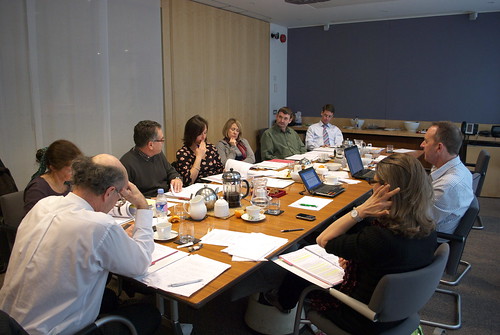
The judges were impressed by the applicants this year. They were pleased that, on the international side, applicants came from across three continents (Africa, Asia and Latin America), whilst in the UK there were interesting new approaches to both renewable energy and energy efficiency.
The difficult decisions, however, were finally made with the help of secret ballots. Judges will be visiting the 18 shortlisted applicants over the next two months.
To find out more about our past award winners and the judges please visit our website: www.ashdenawards.org
Friday, 22 January 2010
Solar PV in Laos
In 2007, Sunlabob won an Ashden Award for their work with solar PV in Laos. In 2009, they were awarded a World Bank funded procurement project, and have made a new video about their work:
You can also watch our own video about Sunlabob:
Monday, 16 November 2009
Grasping the golden opportunity for a low carbon economy

Copenhagen needs to be a massive wake-up call for governments to realise the huge economic and social benefits that a low carbon economy can offer.
All the evidence we have from the Kirklees Warm Zone scheme shows that rolling out insulation and other large-scale energy efficiency schemes generates multiple benefits. Economically it brings job creation, skills development, fuel savings and increased benefits uptake. Every £1 invested returns around £5 into the local economy. This equates to over £90m going into the economy. An area-based scheme like ours delivers significant efficiency savings too.
The social impact means fewer families living in fuel poverty; warmer homes for the elderly and people with long term health conditions and fewer cases of carbon monoxide poisoning.
Add to this the environmental impact of reduced carbon - the estimated CO2 savings from 32,000 households are 22,556 tonnes per year for our measures installed up to June 2009. The expected savings at the end of the Warm Zone scheme are 55,000 tonnes per year.
A new report by the Audit Commission (October 2009) concludes that reducing CO2 emissions from domestic energy use is one of the quickest, cheapest and most effective ways to achieve the UK’s CO2 reduction targets. We would like the UK government to use existing Winter Fuel Payments to roll-out schemes like Kirklees Warm Zone on a wider scale. This should be part of the fiscal stimulus measures advocated in the Stern Report and would be a clear signal to the international community that the UK is taking serious and concerted action to reduce its own emissions.
We already have the evidence of what works. Copenhagen is a golden opportunity to convert this evidence into positive action that will save us all from the nightmare of climate change.
Read more Voices on Copenhagen
Kirklees Council’s Kirklees Warm Zone scheme won the Ashden Award Local Government category in 2009. The scheme is now used as an example of good practice across the UK by government departments, key environmental groups and other local authorities and has won several awards.
View the Ashden Awards video of Kirklees Council:
Our schools can show the way to a better future

Climate change is an ugly problem with devastating consequences. But it is a problem based fundamentally on our use of energy and it is a problem that can be solved. Indeed climate change offers us exciting opportunities to create a better, cleaner, more sustainable model of energy practice. But it needs all of us to find the solutions; to find them in our workplace, in our schools, homes, and communities. And we must start now.
But how? Ashley School has set up committed and passionate energy teams who challenge the status quo and identify where and how we can become more energy efficient. These teams measure and analyse the school’s energy use, and set tough targets that engage our communities in energy saving. We know from experience that these energy reduction initiatives need to be supported through grant funding programmes – which ideally should be sourced by a carbon tax – so that site-specific renewable energy technologies can be installed.
Most importantly, we recognise and reward our successes. In our school we are proud to have reduced our electricity consumption by nearly 80% in two years and our heating consumption by close to 30%. With creativity and commitment it can be done and we whole-heartedly encourage others to do the same – we have nothing to lose and everything to gain.
Read more Voices on Copenhagen
Ashley CofE Primary School, Walton on Thames in Surrey was joint winner of the UK Schools Ashden Award 2009. The school takes a pioneering approach to energy saving by setting targets to reduce energy consumption both inside the school and at home.
View the Ashden Awards video of Ashley school:
Friday, 13 November 2009
Stoves can help save the planet

So far India’s media coverage on Copenhagen is all about dissent, discontent and dissonance when it should be about collective resolve and action on climate change.
Copenhagen is about reducing emissions globally but it is also about equitable and efficient use of energy. We require more sustainable use of energy as opposed to today’s abuse in the developed world and misuse in the developing world.
Two billion people - mostly in the developing world – still depend on traditional fuels like wood and charcoal for their cooking and heating. Each day they consume something like 1.2 million tons of biomass for cooking. With fuel efficient stoves these families can cut their energy use in half. They can also avoid the terrible toll of black smoke from inefficient stoves that literally choke the lives of so many women and children.
My organisation, TIDE helps some of the eight million small businesses in South India by providing improved woodstoves and kilns that burn biomass more efficiently and save at least 30 percent of fuel. We're saving well over 40,000 tonnes of wood each year and giving more than 150,000 workers a better, healthier and safer environment to work in as a result.
So let’s hope the leaders at Copenhagen will get behind simple and affordable solutions like these and steer away from the gloom and doom that can paralyze people from acting. We have the opportunity to make life cleaner, healthier and better for billions in the developing world – and at the same time improve our chances of tackling climate change.
Read more Voices on Copenhagen
TIDE received the Ashden Award for Sustainable Energy’s “Energy Champion” award in 2008. TIDE develops woodstoves and kilns for small businesses across Southern India to burn biomass fuel more efficiently.
View the Ashden Awards video of TIDE:
Friday, 30 October 2009
Power for Life
A short video of the 2009 International Award winners
Thursday, 24 September 2009
Woodfuel workshop at Bentley Woodfair
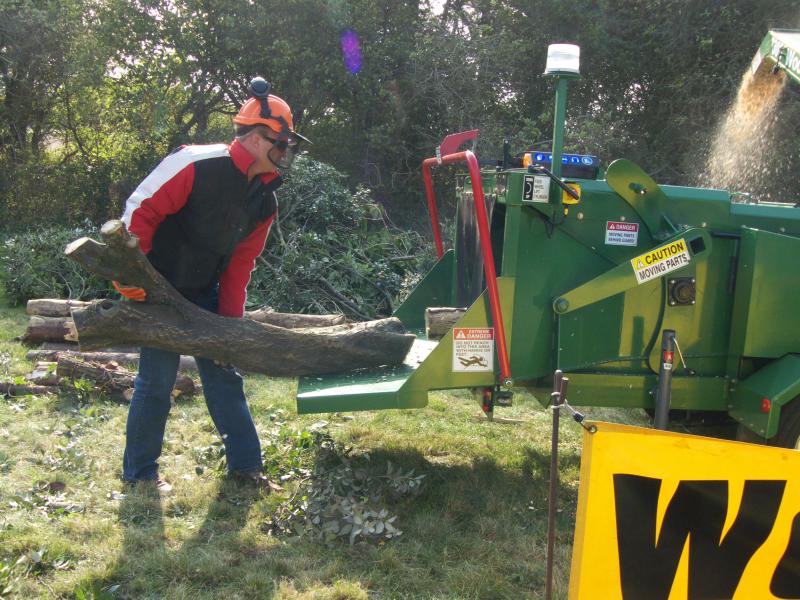
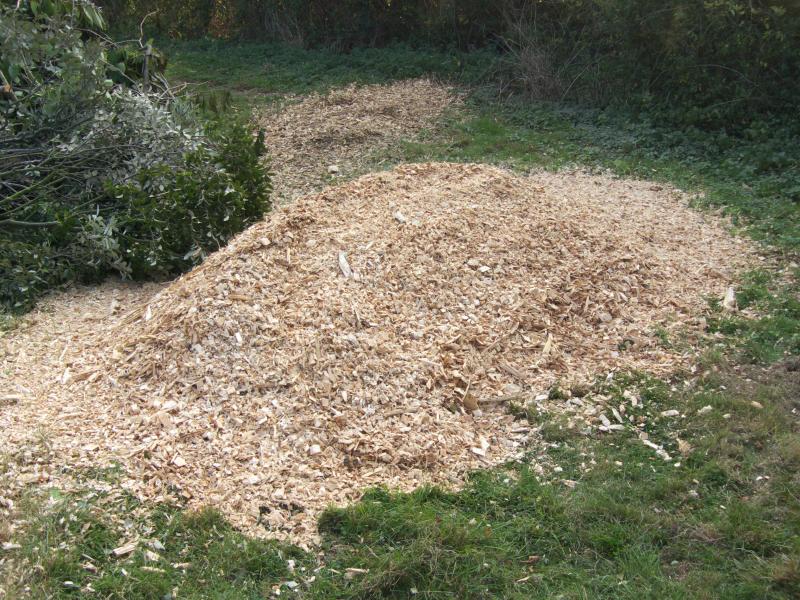
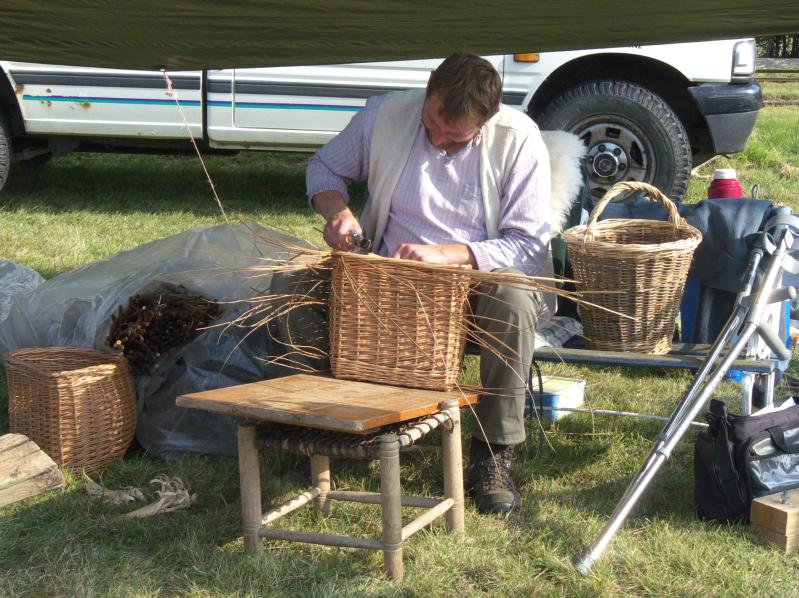
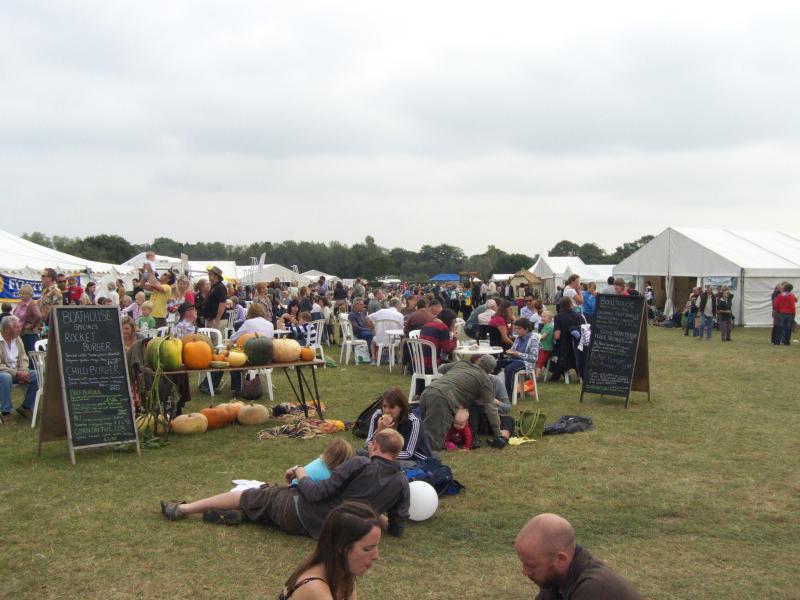
Last Friday I went to a Forestry Commission workshop called "Woodfuel: Fuel for the future?". It was held at the Bentley Woodfair (also know as the Weald Woodfair), which meant there was a lot of interesting stuff going on. I'll come on to to what the workshop speakers said shortly, but first let's have a look at some pictures and videos of the practical demonstrations that were included.
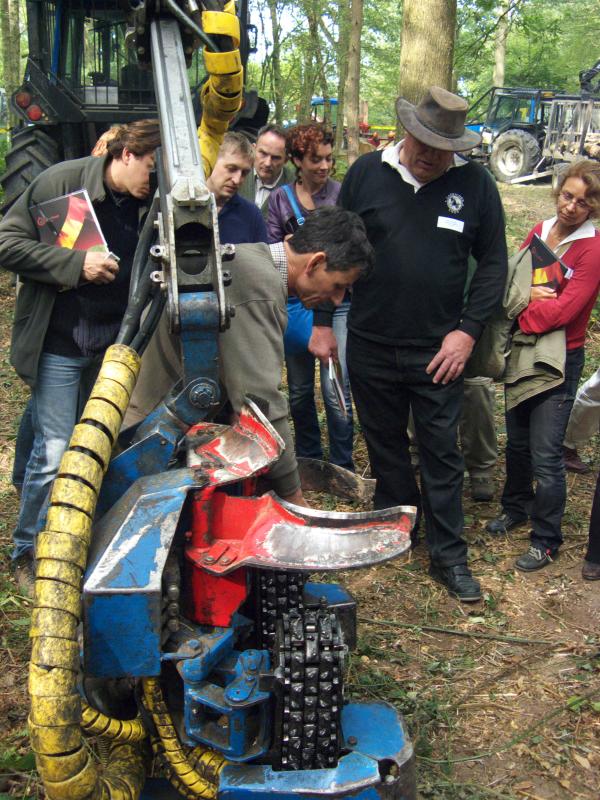
The first stop on the tour of demonstrations was a tractor fitted with what's know as a "harvesting head", which is able to grab hold of a tree, cut through it near the base, remove the branches and cut the tree to a set length. It even has computerised sensors to automatically measure the volume of wood produced! Here's the harvesting head on the ground:

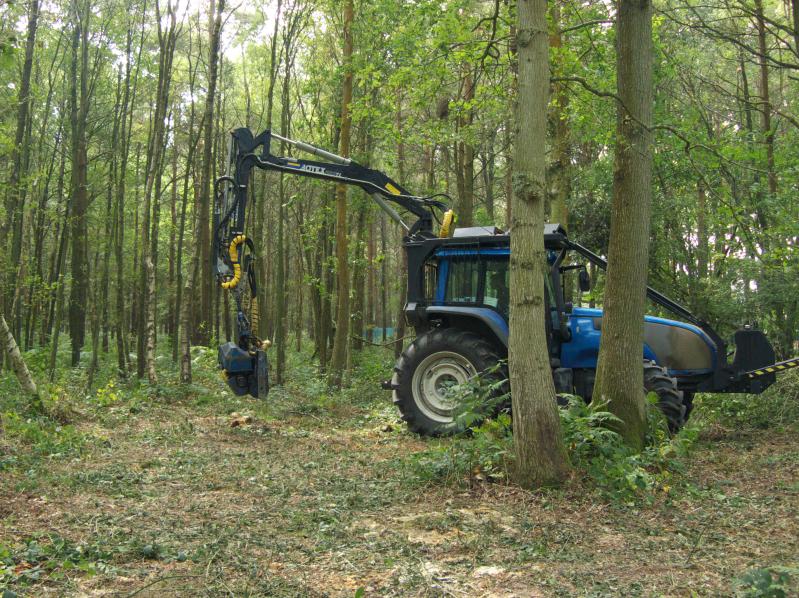
One of the handy things about it is that while processing the tree it causes a lot of damage to the bark, which then helps the log dry out quickly - ideal for producing woodfuel!
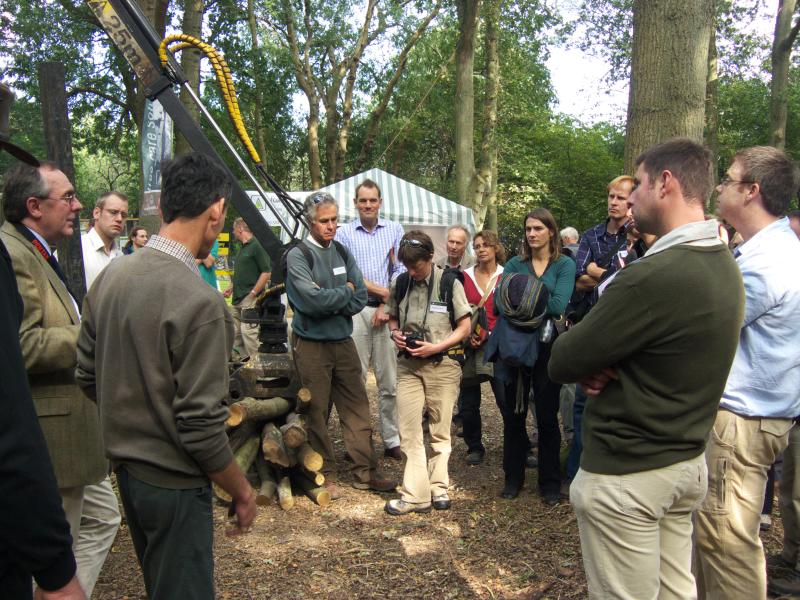
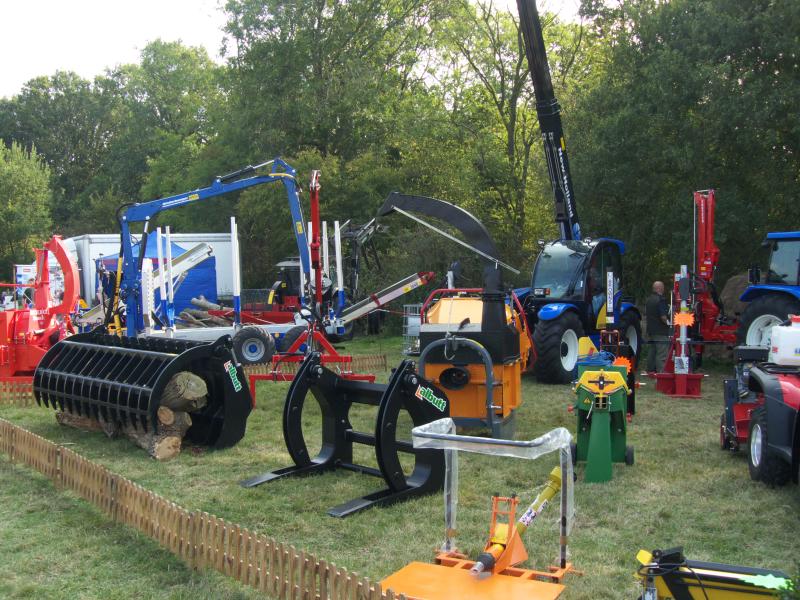
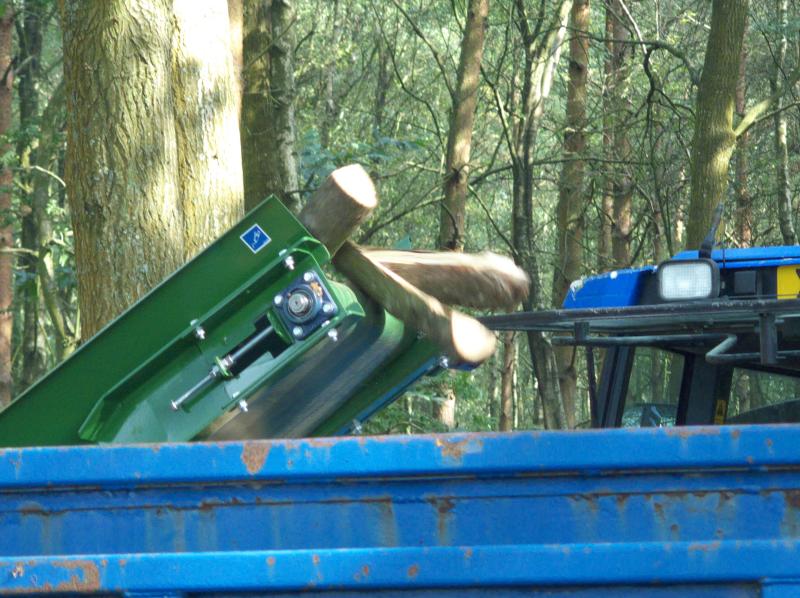
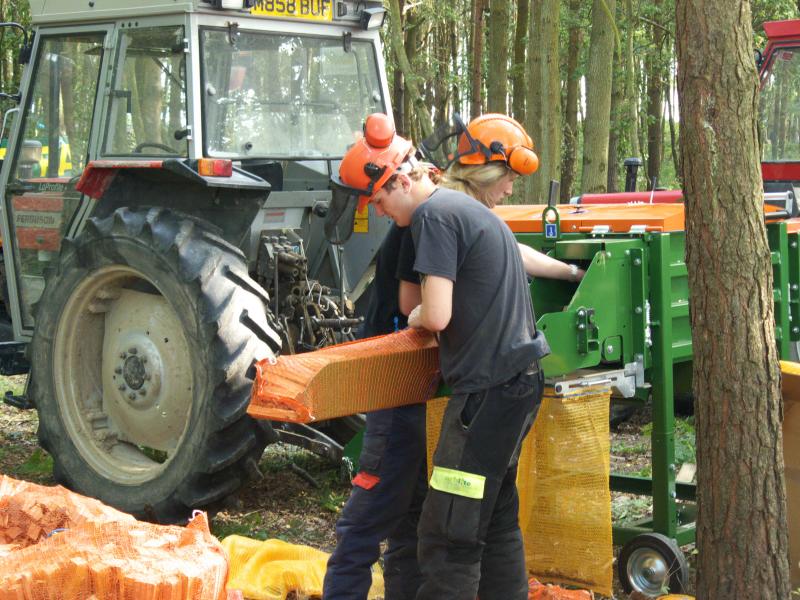
After the harvesting tractor, the next stop was machinery for processing the wood into logs for use in woodburners. There were various large hydraulic splitters that could run from the PTO (Power Take-Off) on a tractor:
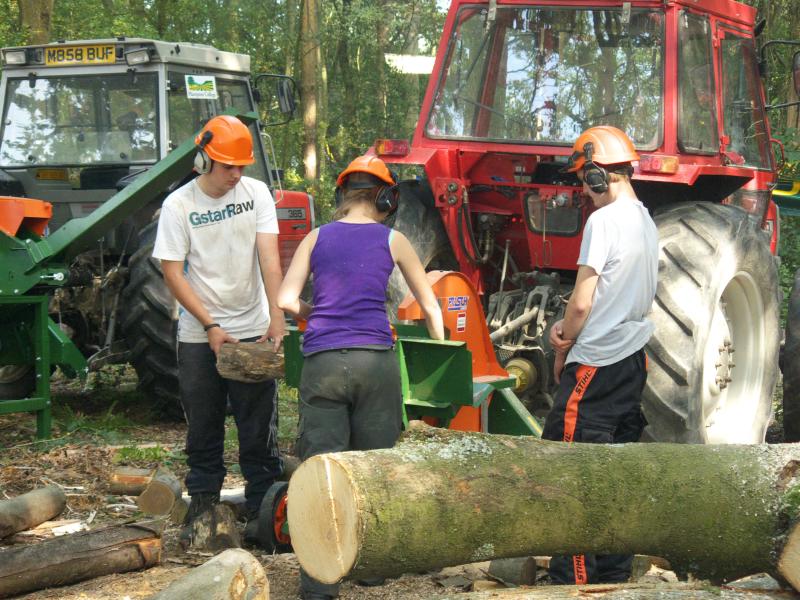
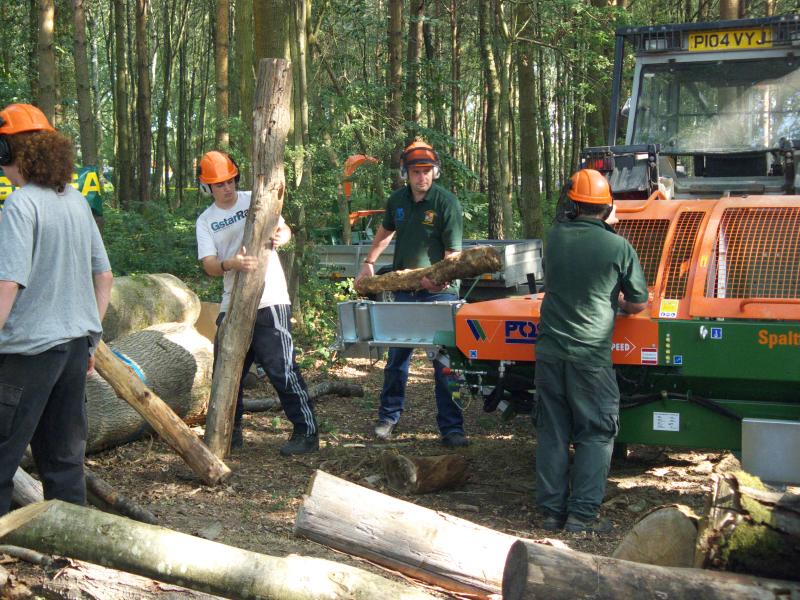
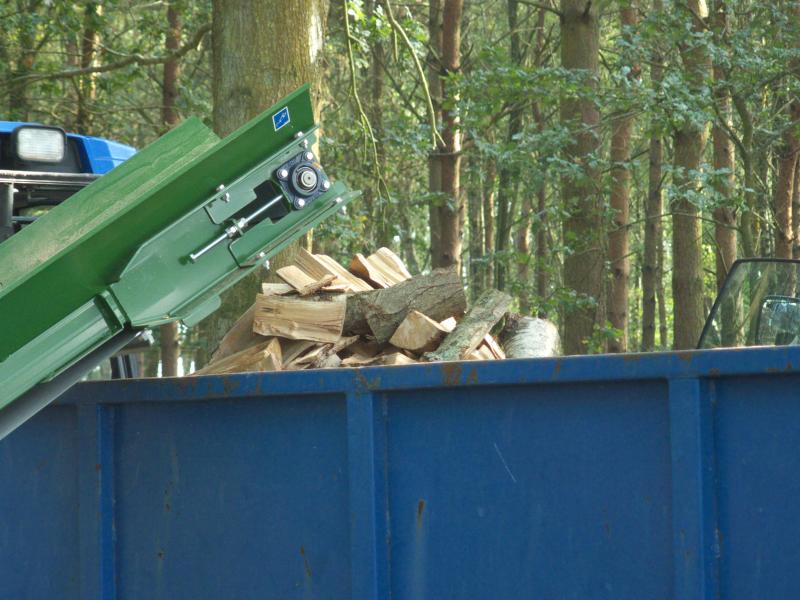
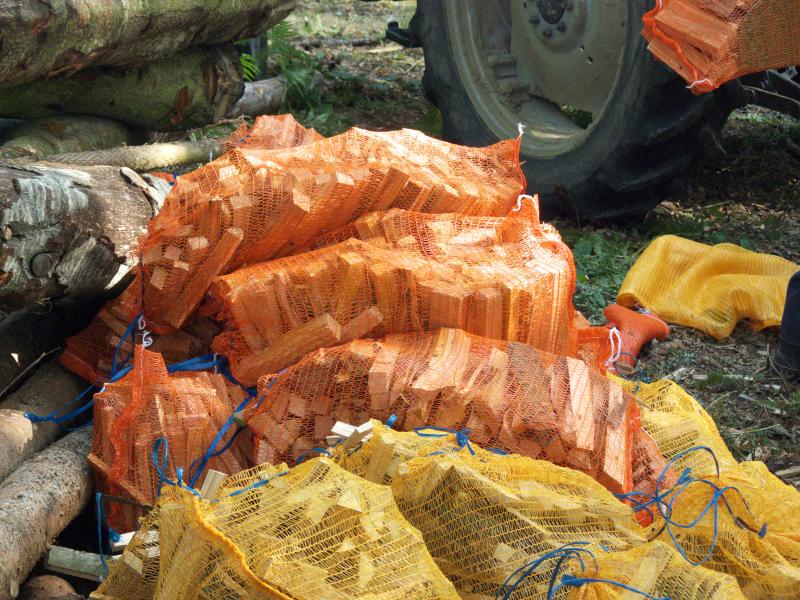

Anyway, that was the afternoon, but in the morning I went to a series of short lectures. Here's the details:
Sally Marsh, Director of the High Weald AONB, opened the session by explaining that the region has 30% woodland cover, and could sustainably meet 15% of local heating needs. She also mentioned the woodland archaeology and biodiversity, which must always be considered in any woodland management plan.
Tom Vosper, of Creative Environmental Networks, explained the different regulations that affect the use of wood-fuel.
James Noble, of Esus Forestry and Woodlands, spoke to us about bringing neglected woodland back into sustainable management. A management plan must always start with clear goals, which could include sustainability, biomass fuel production, conservation and safety. Two key factors dictate the management options: what is possible with the woodland, and what is possible with the owner! Lack of management will gradually reduce the options available over time. The challenges facing owners wanting to manage woodland sustainably are:
Gillian Alker and Jane Hull, from the Forestry Commission, discussed the different grants that are available for producers and users of biomass fuel:
Julian Morgan-Jones, of South East Wood Fuels Ltd, explained some of the critical considerations for supplying fuel to end users. The key points were:
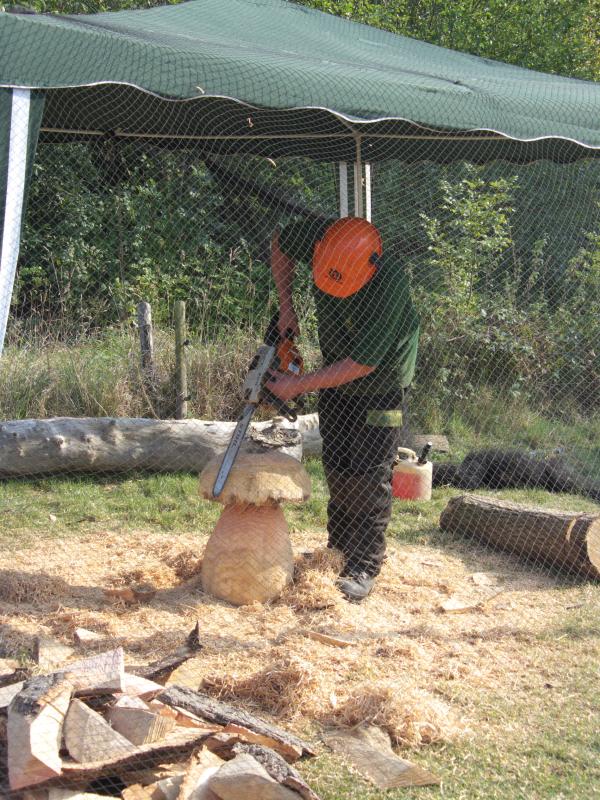
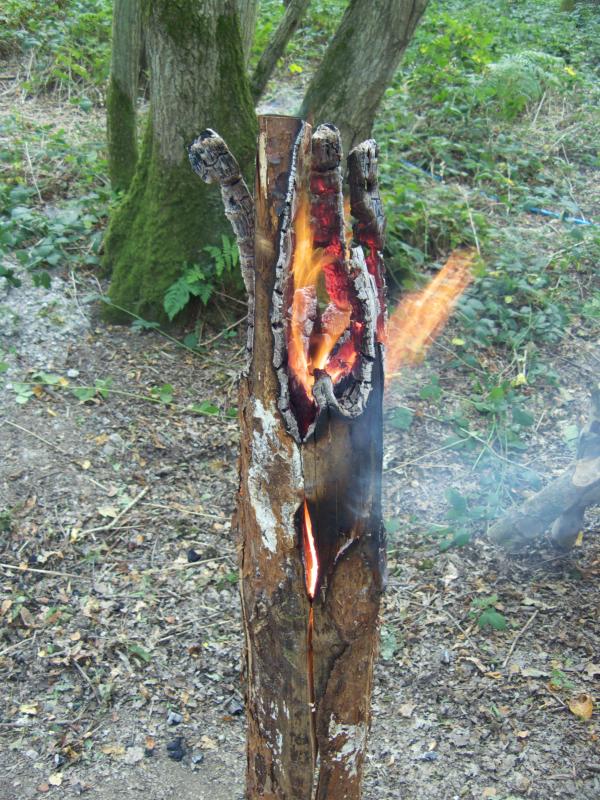
Well, that sums up the workshop, but there was also a lot of other wood-related stuff at the fair, such as mobile sawmills:

Mike Pepler
Technical Manager
Ashden Awards







Thursday, 18 June 2009
Arun to launch Renewable Advice Service
Arun District Council won an Ashden Award in 2008 for their work on energy efficiency and renewable energy:
Now, using some of the prize money they received, they are preparing to launch their Renewable Advice Service.
This will provide free and independent advice to local residents who ant to reduce their carbon footprint and fuel bills. Information will be given on what technology will be most cost-effective, taking into account the features and location of the resident's home. The advice will include solar hot water, solar PV, wood-fired boilers and stoves, heat pumps (air, ground and water sourced) and small-scale wind turbines.
The advice service will officially start with a launch event in the Littlehampton Civic Centre on Wednesday 1st July 2009 from 4.30-7.30pm. Read more about it here
Tuesday, 16 June 2009
Ashden Awards Ceremony 2009
Last Thursday night, the event we have all been looking forward to - the Ashden Awards night - took place. This year we had HRH Prince Charles speaking and he gave a forthright speech about the climate change crisis facing us, and his strong admiration for all the finalists lined up for awards. Having been a keen supporter and patron of the awards for many years, he has met many of them individually and taken an interest in their work. This year he presented the awards to each winner, and the school pupils in particular were proud to be able to meet him and talk about their achievements.
 We watched a short film about each finalist, heard a brief but powerful speech from each one about their work and then the announcements were made. Wait for it… In the UK first prizes went to Kirklees Council for their free, massive roll-out of insulation; Geothermal International for their large-scale installations of ground source heat pumps for heating and cooling buildings; Ashley CofE and Currie School were awarded jointly for their amazing low carbon approach to all aspects of school life; and the Sustainable Energy Academy showing that older homes can be made low-carbon. Second prizes went to Devon County Council for boosting the green energy sector in the county; Architype for their exceptional design of sustainable buildings and Marches Energy Agency for enthusing local communities to take the low carbon path.
Our international finalists are literally changing peoples’ lives in the developing world – and this year has been no exception. We had programmes bringing electricity to Ethiopian villages for the first time - where only one percent of the population has access to grid electricity – through affordable solar home systems; solar-heated greenhouses in the Himalayas providing vegetables year-round, making for healthier families; a Nicaraguan social business spreading renewable technology throughout the country; a gasification plant using local biomass and bringing a reliable power supply to businesses in Bihar, India; and a Ugandan business producing briquettes out of agricultural waste to replace wood and charcoal, protecting local forests. This year’s Outstanding Achievement Award went to the wonderful IDE in India who are scaling up the production of their simple treadle pumps for irrigation that are lifting thousands of poor farmers in India out of poverty. And last but not least… the overall Energy Champion award went to a remarkable collaboration between the well-known US stove programme, Aprovecho Research Center that is working with Shengzhou Stove Manufacterer in China to boost the volume of high quality, efficient stoves manufactured aiming to reach the millions of poor people in the developing world who need them.
Beyond the giving of these awards, we’re looking forward to working with many of these inspiring organisations over the next year, supporting their expansion and replication in collaboration with investors, businesses, NGO’s, policy makers and other partners, many of whom were at the Ashden Conference last week and the awards night.
You can read more about these fascinating initiatives, and find photos and films about their work at www.ashdenawards.org
