
We've signed up, have you? This year, Blog Action Day is on Climate Change:
Thursday, 24 September 2009
Blog Action Day 2009


Wednesday, 23 September 2009
IDE-India features on PBS
IDE India, who won Ashden Awards in 2006 and 2009, have now featured on the News Hour on PBS, you can watch the video here:
Wednesday, 9 September 2009
Oil still has us over a barrel
Jeremy Leggett, CEO of SolarCentury, one of the 2008 Ashden Awards winners, speaks out in his regular column for The Guardian about his concerns over peak oil and puts the latest oil finds in the Gulf of Mexico and other areas of the world into perspective. Based on an oilfield-by-oilfield study by the International Energy Agency (IEA), he argues that oil supplies are still depleting at an alarming rate, at a time when demand is also increasing, particularly in countries like India and China: “the IEA sees the potential for a global oil-supply crunch within just five years”.
Read the full story here.
Eco-schools story on Ashden Awards winners
There's a short story over on the Eco Schools website about the 2009 Ashden Awards schools winners, Ashley and Currie. You can read it here.
 |  |
Wednesday, 2 September 2009
10:10 - cut your carbon by 10% in 2010
10:10 is an initiative to encourage people and organisations to cut their carbon emissions by 10% during 2010. From their website:
It’s easy to feel powerless in the face of a huge problem like climate change, but by uniting everyone around immediate, effective and achievable action, 10:10 enables us all to make a meaningful difference.Their website has advice on how to make the 10% cut, customised for individuals, schools, businesses and other organisations. Check it out on their website:
The plan is simple: we work together to cut our carbon emissions by 10% in 2010. 10:10 is an idea whose time has come.
10:10
and also look at the coverage in the Guardian Click here to read the rest of this post.
Tuesday, 1 September 2009
Low Carbon Leadership
Marches Energy Agency (MEA), a 2009 Ashden Award winner, has produced an excellent workbook for decision makers on how to achieve a low carbon footprint.

The workbook aims to inspire action, as MEA Director Richard Davies says "it seeks to help all that use it to get from aspiration to planning practical action". It is packed full of practical advice on how to calculate your carbon footprint, create a vision and make it happen. The pack is produced by the MEA in partnership with the Energy Saving Trust.
Download the workbook and accompanying worksheet from the MEA Carbon Forum website.Read more about MEA on the Ashden Awards website Click here to read the rest of this post.
IDE India features on Voice of America
A simple water pump is helping to improve the lives of poor families in several Asian and African countries.
The treadle pump is based on a design developed in the nineteen seventies by Norwegian engineer Gunnar Barnes. It can be made locally. A group based in the United States, IDE, International Development Enterprises, has created programs in different countries.
The program in India won an Ashden Award in two thousand six for using local sources of energy to improve quality of life. Last year the Bill and Melinda Gates Foundation awarded IDE twenty-seven million dollars. The money is to be used to expand small irrigation projects to the other half of India's twenty-eight states.

Read the full story here and also visit their page on the Ashden Awards website. Click here to read the rest of this post.
Thursday, 27 August 2009
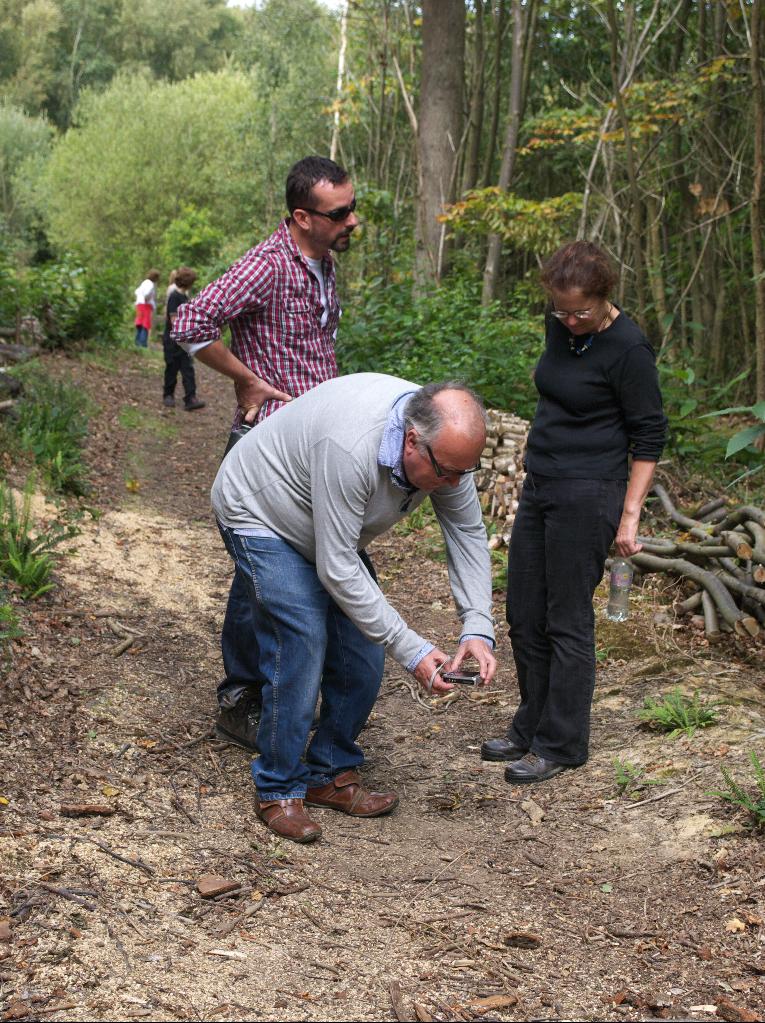
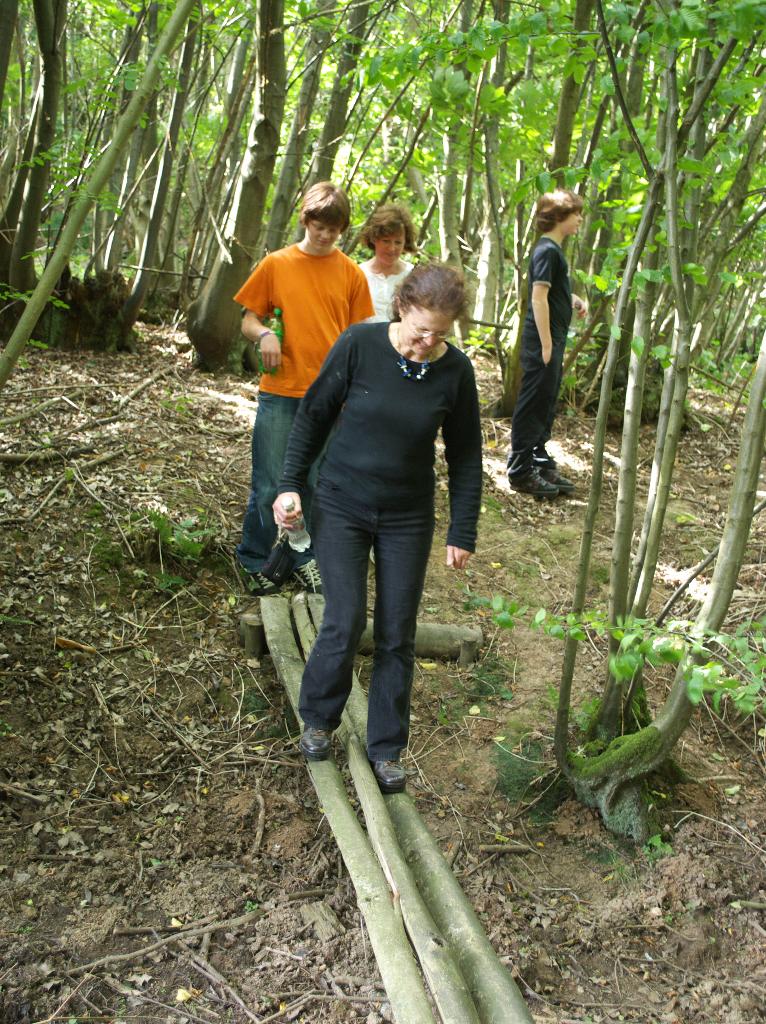
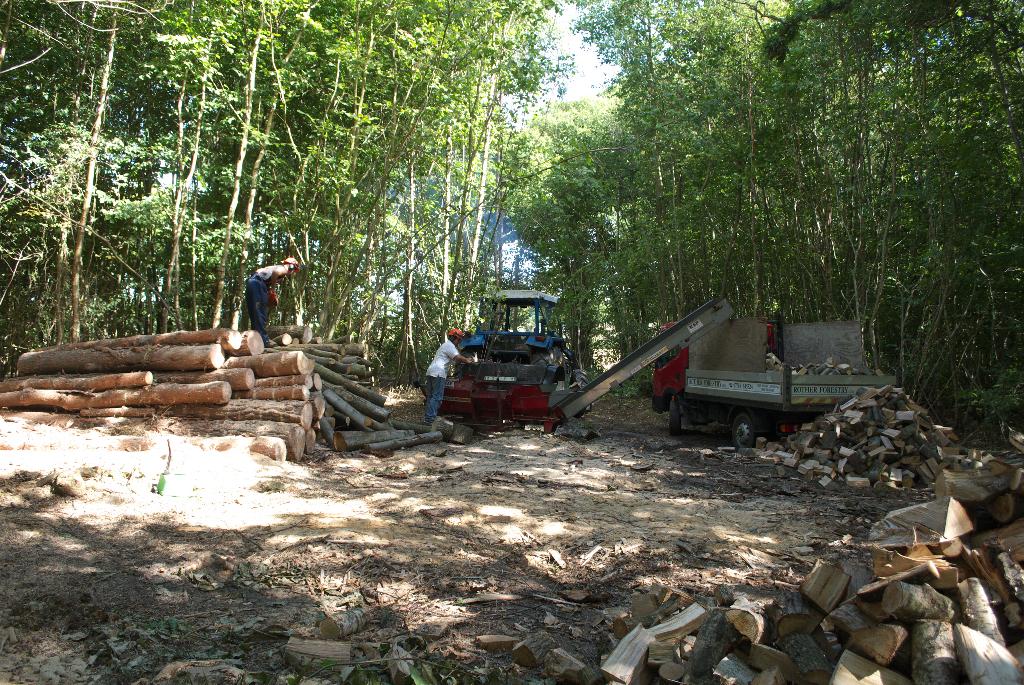
Ashden Awards visit to a woodland
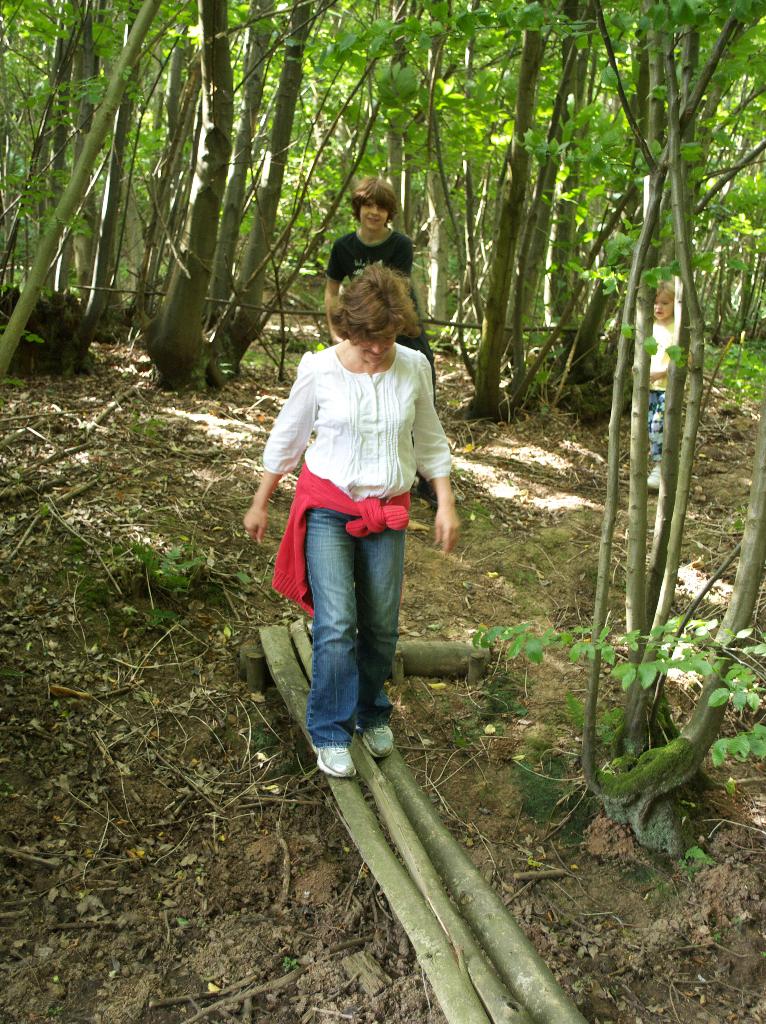
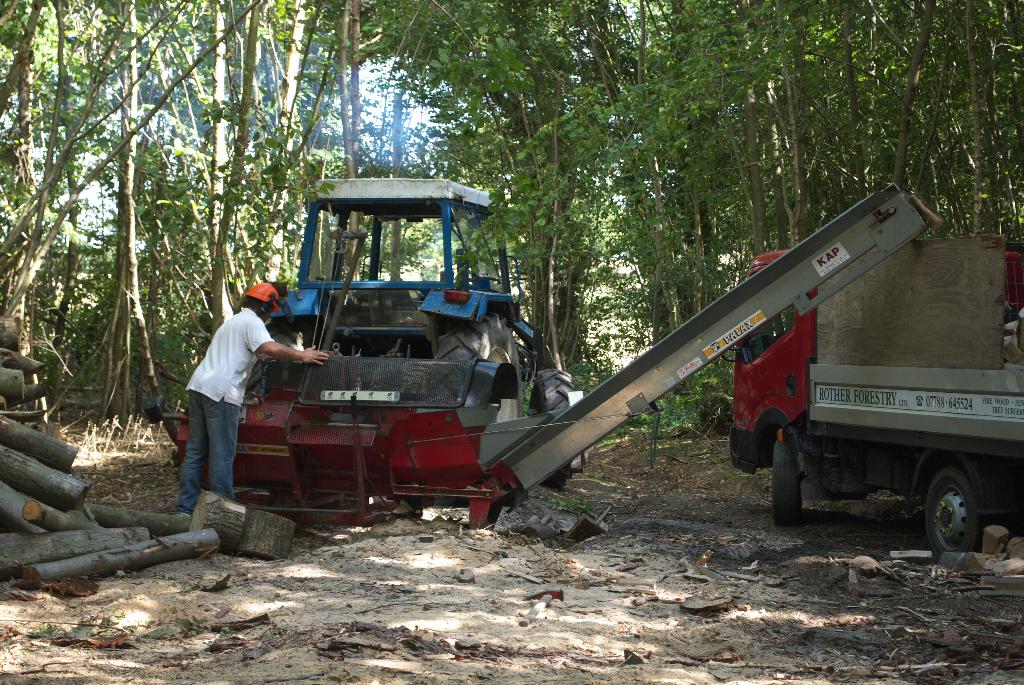
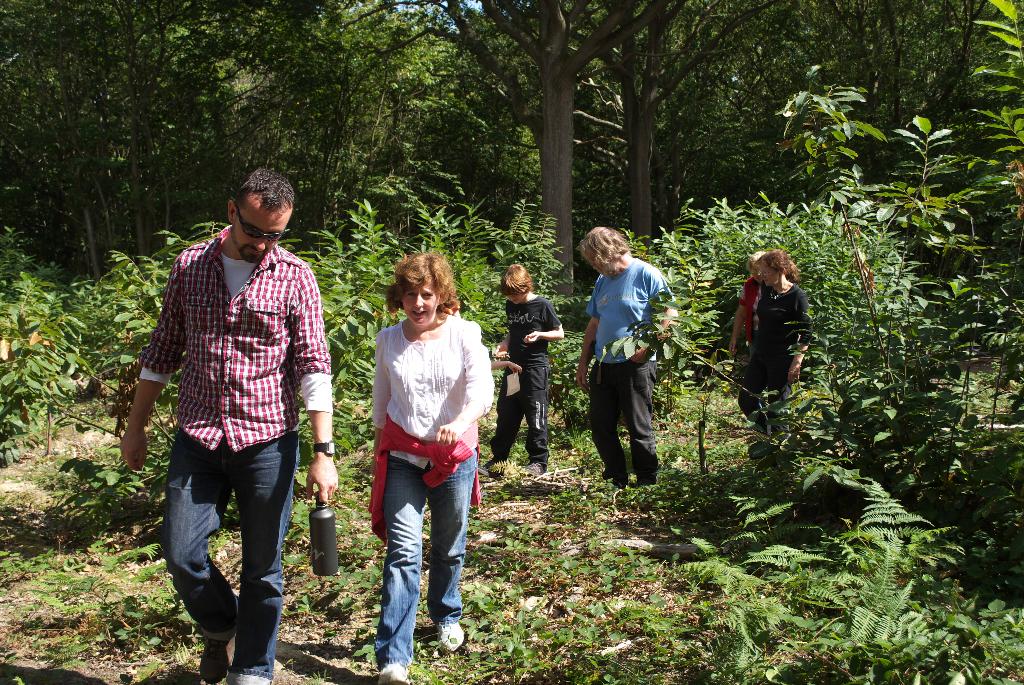
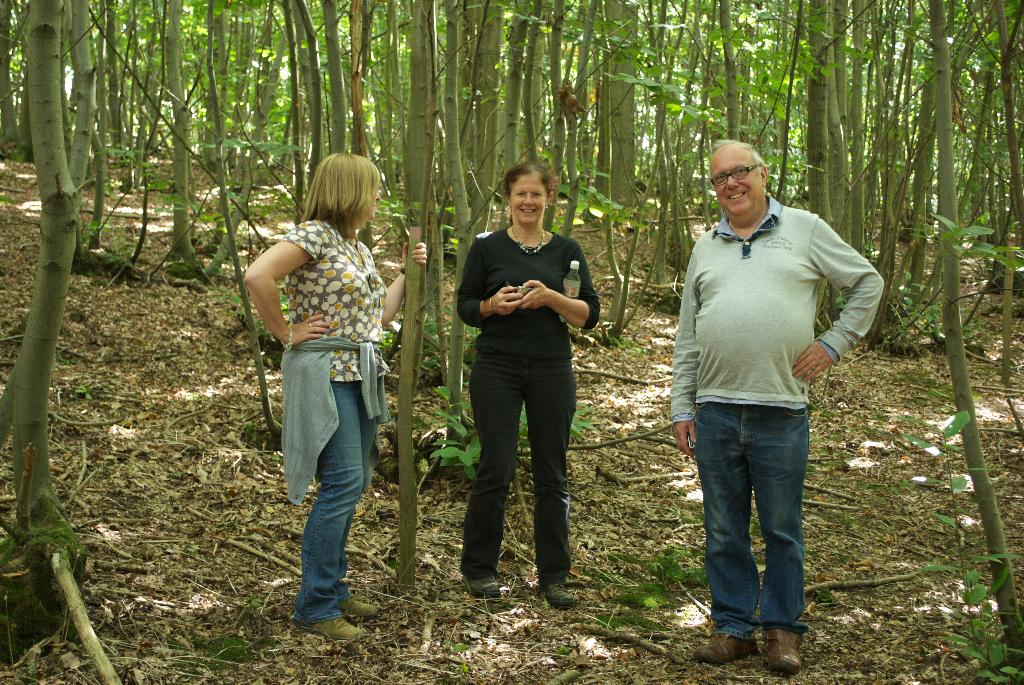
During August, some of the Ashden Awards team and their families visited a woodland down in East Sussex. The woodland is owned and managed by Mike Pepler (Technical Manager at the Awards) and his wife Tracy.
Despite early threats of rain, it turned out to be a sunny day, and there was plenty of time for sitting around, eating and chatting.


The walk continued through the woods, stopping to peer at strange beetles and other items of interest.



Friday, 14 August 2009
Renewable energy country attractiveness indices
Ernst and Young have just published their Renewable energy country attractiveness indices, which make interesting reading. Key points made include:
- There is a temporary glut of renewable energy supply chain capacity, as the financial crisis has hit demand, but in the longer term scarcity of supply is expected.
- New renewable energy manufacturing capacity is being built in China, India, USA and the Middle East, but jobs are being lost in Europe.
- Although lenders who finance renewable energy projects still have problems, they view the sector as one of the better opportunities for investment in the current climate.
- The top ten countries for investing in renewable energy are: USA, Germany, China, India, Spain, Italy, UK, France, Canada and Portugal.
Friday, 7 August 2009
More YouTube videos about IDEI and SELCO
Many of our Ashden Award winners also get involved with other organisations to help publicise and expand their work. Here's a couple of videos from Youtube.
IDEI, who won an Ashden Award in 2006, and an Ashden Outstanding Achievement Award in 2009, have also been working with the Skoll Foundation. Here's a video about their work:
SELCO, who won an Ashden Award in 2005, and an Ashden Outstanding Achievement Award in 2007, have been working with media organisations, such as Deutsche Welle, Germany's English-language international broadcaster, who made this film:
In case you'd never seen their original Ashden Awards films, here are the two for IDEI:
and the two for SELCO:
Monday, 27 July 2009
Visit the Rocket Stove website
Aprovecho, who won an Ashden Award in 2009, have now launched the Rocket Stove website, where you can find out how to build your own stoves for different purposes, such as institutional cooking, refugee camps, cooking bread or just heating a room.
Visit the site here: www.rocketstove.org
Friday, 24 July 2009
New website from Jeremy Leggett, Solarcentury
Jeremy Leggett, founder of Solarcentury, a 2007 Ashden Award winner, is not just known for his work with solar power. He has also worked in the oil and gas industry, and also fro Greepeace, so is well qualified to speak on issues such as Climate Change and Peak Oil.
These subjects are covered on his new website: www.jeremyleggett.net, with sections on peak oil, the problem of coal, solar power, nuclear power and also topics such as corporate social responsibility and investing.
One of the main features is the "Triple crunch log", which documents the events of the past few years of the energy, climate and financial crises. Latest highlights are included on the relevant pages, and the entire log can be downloaded if you want to read the full story.


Small is... Festival!

Can the current crisis in the world economy be steered towards a new “economics as if people mattered” and what would this mean? Does an emphasis on local production and resilience mean that Small is Beautiful opposes international trade and growth?
Small is...appropriate?
Can small, simple and non-violent technologies really deliver the products and services people need including food, energy and water? When is small better than big in empowering people, promoting human rights and preserving cultural and spiritual values?
Small is...political?
How can a few people and simple technologies influence political change towards a more just world? Could the international community’s current awareness of climate change create a renewed impetus for the philosophy of Small is Beautiful and what can be done?
Small is...personal?
How is personal philosophy linked to the practice of development and is tenderness at the heart of facilitation? How can you have fun though care about poverty and the state of the planet?
All these issues will be explored at the Engineers Without Borders UK "Small is... Festival!" on 5th and 6th September 2009. There will be camping facilities, locally source food, demonstrations, debates, practical exercises, stalls bands and films! To find out more and register, visit the festival page on the EWB-UK site.
Solar Energy Foundation on BBC
Solar Energy Foundation (Stiftung Solarenergie), a 2009 Ashden Award winner, had an article on the BBC News website earlier this month:
Two years after the installation of a solar power project funded by international aid groups, villagers in northern Ethiopia say the sun's energy has turned their lives around.
...
"We've had solar energy for over a year now. We're very happy because we're saving money. Altogether we have eight children, and for our kids at school the solar energy is great."
 Read the full story here
Click here to read the rest of this post.
Read the full story here
Click here to read the rest of this post.
Monday, 13 July 2009
New website for BIOTECH India
BIOTECH India won an Ashden Award in 2007 for their work with biogas plants. they have now launched a new website packed with information about their work. Check it out here: www.biotech-india.org
Thursday, 9 July 2009
Ashden Awards page on Facebook
If you're a Facebook user and would like to keep up to date on what's happening at the Ashden Awards, why not visit our new page on Facebook and sign up as a fan? Click here to get to the new page on Facebook
Facebook is a registered trademark of Facebook, Inc.
Wednesday, 8 July 2009
Ringmer College: Green Car Grand Prix
Ringmer College, a 2008 Ashden Award winner, recently held its "Green Car Grand Prix", when there pupils built and raced electric cars.
 The kits to build the cars were from Greenpower, but the pupils had to do the assembly and design the bodywork of the cars.
Nine teams entered, and there were over 150 members of the public came to watch, and see the winning team awarded the trophy.
Ashley School: Inspire Alpine expedition
Ashley Primary School, a 2009 Ashden Award winner, has recently been on its Inspire Alpine expedition, travelling by train to Chamonix to learn about well-being at an individual, group and global level.


Vacancy at CAT
The Centre for Alternative Technology has a vacancy for a renewable energy consultant. Here are the details:
Job title: Renewable Energy Consultant
Salary: £17,485 per annum
Hours: 40 hours over 5 days. Flexible working required. Including some weekends and evenings.
Status: This is a permanent post subject to satisfactory completion of a six month probationary period.
CAT has developed its consultancy services over a number of years as part of its aim to ‘inspire, inform and enable’ people to live more sustainably.
The postholder will assist in the administration and provision of a high level of expertise and professional service, and in the development of the consultancy services over the coming years. The post holder will also help CAT keep at the forefront of sustainable technologies, and ensure best practice for CAT’s existing and future projects.
CAT Consultancy offers advice in the areas of energy efficiency, renewable energy, sustainable building, water treatment, sewage treatment and eco-centre design. We also offer advice on wider issues of sustainability. Environmental consultancy is a growth area, and as such, we are looking for someone to develop the Consultancy Department and expand its role within CAT. The majority of consultancy commissions require input from other CAT departments and specialists or sub-contracted consultants. Liaison with other departments and external consultants is therefore an important part of the job.
In general, as departments at CAT are largely self-managing, we expect the successful candidate to be capable of a high degree of self-motivation, to be at ease in a co-operative working situation, and to enjoy and be capable of working and learning within a multi-disciplinary organisation.
Consultancy-Specific
The person appointed will look for business opportunities to expand CAT’s consultancy service, liaising between our specialist departments and clients to ensure consultancy projects are delivered on time and within budget.
Consultancy Duties (approximately 4.5 days a week)
Other (approximately 0.5 day a week)
Co-operative Duties
Budget Heads and Department Co-ordinators
Person specification
We are looking for someone with the following attributes:
Essential
Desirable
Closing date for applications is 17th July 2009
To apply, or for more information contact Donna Robinson, Human Resources Assistant:
donna.robinson@cat.org.uk
016540 705955
Tuesday, 7 July 2009
From practice to policy
The Ashden Awards for Sustainable Energy commissioned the Institute for Public Policy Research to prepare this report. The full version is available on the Ashden Awards website.
Foreword
Sarah Butler-Sloss
Executive Chair and Founder
The Ashden Awards for Sustainable Energy
What can the government do to help local sustainable energy become part of the fabric of communities across the UK? The answer to this question will partly determine whether we can create a low-carbon economy and meet the ambitious targets we have set to reduce greenhouse gas emissions.
Some answers to this question lie in this briefing which is the result of detailed consultations with
our UK winners – businesses, local authorities, community groups and charities – who suggest ways to overcome the barriers they face in trying to deliver renewable energy, energy efficiency and other forms of local sustainable energy in their communities.
Their responses, which are based on substantial know-how and best practice in their individual fields, give us an idea of the enormous challenges ahead, but also a sense of hope that it is possible, with the political will and appropriate policies, to meet them. Although these practitioners acknowledge that there have been a few policy successes, there are also clear failures. In particular they highlight problems of funding – the amount and the lack of consistency in funding schemes – and planning barriers. They call for continuous funding streams and much stronger policy coherence to promote sustainable energy. All are unanimous in wanting to help improve on the past record and be part of a future that is much brighter.
I set up the Ashden Awards for Sustainable Energy in 2001 to reward sustainable energy champions across the UK and developing world that are bringing social and economic benefits to their communities. Since then, in addition to our annual Awards scheme, we have developed a broader support programme for our winners. In the UK our emphasis is increasingly on promoting the exemplary work of our winners and in particular helping them influence policy on sustainable energy in every way we can. This briefing is part of that effort.
The contributions made in this study show us that the government can learn a great deal by working in partnership with local providers of sustainable energy – like our Award-winners.
This briefing is aimed at policy makers at all levels and anyone else who would like to see local sustainable energy become a visible and integrated part of every community across the country, bringing all the wider social benefits that that means.
This report is the precursor for a larger research-based report we plan to publish early in 2010 which will follow up on these initial findings and recommendations.
Executive summary
This Briefing Paper draws on the experience of the winners of the Ashden Awards for Sustainable Energy to make practical policy recommendations aimed at increasing the scale and scope of sustainable energy in the UK. The paper is based on research carried out with UK winners of the Ashden Awards through an online survey of winners and in-depth interviews with a smaller group of awardees.
Local sustainable energy at the household and community level has a range of potential benefits.
The first of these is emissions reduction: 65 per cent of household CO2 emissions could be saved by distributed generation by 2050 if supportive policies were put in place. Another benefit is improved energy security through reduced demand for imported gas: almost a fifth of UK energy demand could be met through community scale generation with the right support. Community energy can also make the transition to a low carbon economy real for people, with schemes they can see and own in their own neighbourhood, helping build political support for sustainable energy policy.
Many organisations across the UK – from businesses to local authorities and charities – are actively demonstrating the benefits of local sustainable energy. However, despite their good work, the full potential of sustainable energy is far from being realised in the UK. While the energy efficiency of housing in the UK has increased in the last ten years, over four-fifths of UK houses have yet to be fully insulated. Similarly, while installed renewable energy capacity, both large-scale and local, has increased in the UK in recent years, it still accounts for only around two per cent of total UK electricity generation.
Winners of the Ashden Awards have a valuable perspective on bridging the gap between the UK’s aspirations and delivery of a sustainable energy. Many were pioneers of sustainable energy well before it became popular and have a wealth and diversity of experience to share. Some focus mainly on energy efficiency, while others are specialists in renewable energy, and within that on renewable heat and renewable electricity. Most who focus on energy efficiency work with households, whereas those who focus mostly on renewable technologies tend to work with organisations such as schools, local councils, businesses, and other institutions. Two are designers or manufacturers of renewable technologies.
Through our research, we have aimed to understand their perspectives on the policies that are working to deliver sustainable energy in the UK and those that are not, and how the barriers that remain to delivering sustainable energy could be overcome. Mr Aitkin has benefitted from Leeds Council’s ‘Health through warmth’ schemePolicy successes
 Locals visit Arun council’s mobile energy efficiency advice centre, Littlehampton
Some policy interventions have clearly been successful in enabling growth in the sector. The single most important policy for Ashden Award winners has been the Energy Efficiency Commitment (EEC) and its successor the Carbon Emissions Reduction Target (CERT), placing an obligation on energy suppliers to provide funding for carbon saving measures to households. A third of Award winners that were surveyed said that many of their sustainable energy successes would not have been achieved without the programme.
The next most useful set of interventions cited were the support programmes (including funding) of the Energy Saving Trust and the Carbon Trust, along with fuel poverty programmes such as Warm Front. Another useful policy for Award winners has been the Home Energy Conservation Act – largely because it almost instantly created sustainable energy champions within local authorities with housing responsibilities, and ensured that home energy efficiency received a level of resource and political attention at the local level.
Several interviewees also highlighted the importance that building regulations, such as the Code for Sustainable Homes, have had on increasing the uptake of renewable energy and energy efficiency measures. Changes in the planning regime were also felt to have been useful, particularly the Merton rule adopted by local authorities requiring all new developments to generate 10 per cent of their energy needs from on-site renewables.
The Low Carbon Buildings Programme (LCBP) was also cited as a policy that had helped many Award winners, not always because of the capital grants it has provided (which have been problematic), but because of the requirement for training and certification. Bike shed at Dulas, Powys, Wales – a large PV solar panel generates electricity for the building
Policy barriers
However, several existing policies and approaches have failed to meet practitioners’ needs. Funding – the amount and consistency of it – was cited as the key barrier by 80 per cent of respondents, making it difficult to plan work, and meet expectations.
The ‘stop-start’ nature of some policies has been particularly problematic. EEC/CERT and the LCBP were both cited as suffering from this flaw. Under EEC/CERT, there have been periods of inactivity when energy suppliers have hit their targets and stopped carrying out energy efficiency works. This has proved very problematic for the installation companies. The LCBP has also posed problems because funding has not been available in a continuous manner. There was concern among some interviewees that the transition from the LCBP to the introduction of the proposed feed-in tariff could cause this to happen again.
Award-winning businesses are finding it difficult to access capital, which is a significant barrier at start-up and when seeking to expand their operations. The credit crunch is exacerbating the situation. Some Award winners have experienced difficulties in securing financing for their own projects. Others fear that business may dry up as clients are unable to access finance or shift their focus away from environmental concerns.
The lack of householder engagement and interest is also clearly a significant barrier to Award winners working to reduce carbon emissions from the household sector, particularly in the absence of regulation to compel action. Levels of public engagement and awareness of sustainable energy and climate change were seen as low and further behind other countries, particularly in Europe.
Planning permission was highlighted as a significant regulatory barrier, particularly for larger-scale sustainable electricity and heat projects. Other barriers were also identified, the most significant being the difficulty faced in retrofitting homes, particularly those which are ‘hard to treat’ (i.e. those with solid walls or off the gas network). Measures for these homes attract higher costs. The complexity of connecting smaller sustainable electricity schemes to the grid was also cited as a barrier. Several interviewees have also encountered difficulties in recruiting the technical skills needed, pointing to a lack of training opportunities. Private landlords have benefited from Arun Council’s financial help to insulate their properties
 Copper piping used in the manufacture of Kensa’s ground source heat pumps, Truro, Cornwall
Policy solutions
Award winners were asked about their recommendations for future policy, the types of policies which are most needed and which ones they would prioritise to overcome the barriers facing the growth of sustainable energy in the UK.
Not surprisingly, alongside the issues of coherence and continuity, addressing the problems with funding was seen as a priority. The policies which were perceived as most likely to help in the delivery of their work were sustainable energy capital grants and a renewable heat incentive. Several other policies including energy efficiency grants, a feed-in tariff and a soft loans scheme rated a close second.
Many Award winners were keen to see a continuous funding mechanism rather than the current ‘bidding’ process which is increasingly being favoured by programmes like the Community Energy Efficiency Fund (CEEF). In particular, funding targeted locally for area based approaches, suitable for off-gas-grid and solid-walled properties, was suggested. In addition, more funding dedicated to capacity building in the sector was requested, including for technical and project design, management support and for training and skills development.
The role of local authorities and the embedding of targets at the local level were seen as an important means of improving the implementation of national sustainable energy policy. Several Award winners were keen to see targets for local authorities to create buy-in and ownership of sustainable energy implementation, accompanied by consistent financial support to ensure effective delivery. Local authorities’ role in the supply chain and their procurement capacity were also seen as integral to embedding local sustainable energy. In addition, enhanced training and resources for planning officers on sustainable energy in local authorities was seen as important.
More broadly, most Award winners thought much greater policy coherence to promote sustainable energy was necessary, with a strong, long-term policy framework needed to avoid the problems encountered by the ‘stop-start’ nature of some policy interventions to date. Many were keen to see greater connection between different policies, providing a more cohesive message to stakeholders, with for example, more integration through education, skills and training programmes, and Regional Development Agency (RDA) business support programmes.
Almost 87 per cent of Award winners stated that they would like greater involvement or input into the development of Government policy on sustainable energy. Winners favoured a range of different options for the form this input should take, including interviews and workshops. However, concerns about the efficacy of the Government’s policy consultation processes and how much influence they genuinely have on outcomes would need to be addressed. Chipping wood to be used in a woodfuel heating system, Rural Energy Trust
 Solar PV installed by Dulas Ltd at Dyfi Eco Park, Machynlleth, Powys, Wales
Conclusions and recommendations
Looking across all the areas of local sustainable energy, two common themes can be identified. One issue that was emphasised again and again is the importance of government and indeed all political parties committing to a long-term strategy, offering predictable funding flows. The other common theme was the need to develop policies that are not just about the large energy companies, but also about local and often smaller actors, including local authorities, charities and smaller companies. Award winners referred to the importance of partnerships between local authorities and charities, who are often the main intermediaries with community organisations. Government could provide briefings and help on what different partners want, how they operate and what they can offer.
The kinds of organisations that the Ashden Awards celebrate are often highly innovative and creative, but they have to work around a lack of resources and support, largely because the key policy instruments have not been tailored to their needs, but rather to those of the large energy suppliers. This makes it difficult for them to plan and deliver sustainable energy to the communities they work with in a predictable way. Hence a place should be found within the policy framework for these kinds of organisations to play a more active role and access more funding. To help ensure that happens, further research or experimentation is needed into a number of possible changes to policy including:
Energy efficiency
Renewable electricity
Renewable heat
The Ashden Awards for Sustainable Energy should continue to act as a conduit between Award winners and policy-makers to help ensure that the types of policy changes outlined above are explored fully and the voice of organisations who really deliver sustainable energy locally is heard. In the coming months, there will be invaluable opportunities to influence policy as the Government develops its plans to meet the carbon budgets set by the Committee on Climate Change, the European 2020 renewable energy target, and the Heat and Energy Saving Strategy. These opportunities should be seized to transform the prospects of sustainable energy at the local level in the UK Installing cavity wall insulation
 Making Kensa’s heat pumps, Cornwall
A PDF of this executive summary, and of the full report, is available on the Ashden Awards website.
Subscribe to:
Posts (Atom)
